Training frequency is one of those questions with a real answer, not a "it depends" non-answer. For most people, 3 to 4 days a week covers strength training effectively. For general health, 2 to 3 days is enough. For aggressive muscle building, 4 to 5 days works. The right number comes down to your goal, your experience level, and how well you recover.
At a glance: 2 days builds a foundation. 3 days is the sweet spot for most people. 4 to 5 days suits intermediate to advanced lifters chasing specific goals.

How Many Days a Week Should You Train? (Quick Answer)
|
Goal |
Recommended Days Per Week |
|
General health and fitness |
2 to 3 |
|
Muscle growth (hypertrophy) |
3 to 5 |
|
Strength gains |
3 to 4 |
|
Fat loss with cardio |
3 to 5 (mix of strength and cardio) |
|
Beginner building a habit |
2 to 3 |
|
Advanced athlete |
4 to 6 |
There's no universal right answer, but there is a range that fits your situation. The sections below break it down by goal and experience level.
Why Does Training Frequency Matter?
Training frequency is a means to an end, not the goal itself. A major 2019 meta-analysis showed that on paper, as long as total weekly volume is the same, how often you train doesn't change muscle growth.
However, frequency is crucial in the real world. Trying to cram 15 to 20 working sets for a muscle group into a single day is a recipe for disaster. As your workout drags on, your energy drops, concentration fades, and the quality of your remaining sets plummets—turning them into "junk volume." Plus, blasting a muscle all at once cripples your recovery.
That is why splitting your weekly routine into 2 to 3 sessions per muscle group is the sweet spot for most people. It keeps your workouts efficient, your energy high, and your recovery on track.
Why This Matters
- 2 days/week: You can hit every muscle twice in two full-body sessions. Tight but doable.
- 3 days/week: Three full-body sessions or a push/pull/legs split. Both work well.
- 4 to 5 days/week: Allows more volume per session and better recovery between sessions targeting the same muscle.
Adding a training day is only useful if it helps you reach your weekly volume target without compromising recovery. Frequency for its own sake doesn't produce results.
How Many Days a Week Should You Train for Your Goal?
General Health: 2 to 3 Days
The American College of Sports Medicine recommends adults perform strength training at least 2 days per week. Two full-body sessions hit the minimum effective dose for maintaining muscle, supporting bone density, and improving metabolic health. Three days gives more room for volume.
Muscle Growth: 3 to 5 Days
Hypertrophy responds well to higher frequency and volume, as long as recovery keeps up. Most intermediate lifters see solid results at 4 days. Beginners can build muscle efficiently at 3 days because any sufficient stimulus drives growth early on.
Strength Training: 3 to 4 Days
Strength is about progressive overload on compound movements. Three to four days per week allows enough frequency to practice the movements and add load consistently, while leaving enough recovery time between heavy sessions.
Fat Loss with Cardio: 3 to 5 Days
Fat loss comes from a calorie deficit. Cardio and strength training both support it. A practical split is 2 to 3 strength training days plus 1 to 2 cardio sessions per week. Prioritizing strength training preserves muscle mass during a deficit, which keeps metabolism higher.
How Many Days Should You Train Based on Your Experience Level?
Beginners: Start at 2 to 3 Days
Two to three full-body sessions per week is the right starting point. Beginners are highly responsive to training stimulus, so more isn't needed early on. Recovery also takes longer when movements are new to the body. Building consistency at this frequency matters more than adding days prematurely.
Intermediate Lifters: 3 to 4 Days
At this stage, full-body sessions still work but upper/lower or push/pull splits start making more sense. Four days per week allows enough volume to keep progressing without hitting a recovery ceiling.
Advanced Lifters: 4 to 6 Days
High training ages require more volume and more specific programming to keep progressing. Five to six days per week is common at the advanced level, often with dedicated sessions per muscle group or movement pattern.
How Many Rest Days Do You Actually Need?
According to the landmark 2026 ACSM resistance training guidelines, managing your training variables and allowing individual muscle groups enough time to fully recover is critical to maximizing muscle function and hypertrophy.
Rather than chasing a rigid countdown, recovery should seamlessly match how you distribute your weekly workouts.
Active Recovery vs. Full Rest
Rest days don't have to mean lying on the couch. Low-intensity movement, walking, stretching, or light mobility work on off days speeds up recovery without adding training stress, aligning with CDC guidance on adult physical activity.
|
Recovery Type |
What It Looks Like |
When to Use It |
|
Full rest |
No structured exercise |
After high-volume or high-intensity sessions |
|
Active recovery |
20 to 30 min walk, stretching, yoga |
Between training days, lighter weeks |
|
Deload week |
Reduced volume and intensity |
Every 4 to 8 weeks for intermediate/advanced lifters |
As the authoritative review highlights, your body's adaptations depend heavily on the big picture.
Sleep and nutrition drive recovery as much as rest days do. Poor sleep and under-eating extend recovery time regardless of how many days off you take.
What Does a 2, 3, 4, or 5-Day Training Week Look Like?
2 Days Per Week: Full Body
|
Day |
Session |
|
Monday |
Full body strength |
|
Thursday |
Full body strength |
|
All other days |
Rest or active recovery |
Hit every major muscle group both days. Prioritize compound movements: squat patterns, hip hinges, pushes, pulls.
3 Days Per Week: Full Body or Push/Pull/Legs
|
Day |
Session |
|
Monday |
Full body or Push |
|
Wednesday |
Full body or Pull |
|
Friday |
Full body or Legs |
Three days is the most versatile frequency. It's the most commonly recommended starting structure for people fitting training around a full-time job or family schedule, and it holds up well for intermediate lifters maintaining progress.
4 Days Per Week: Upper/Lower Split
|
Day |
Session |
|
Monday |
Upper body |
|
Tuesday |
Lower body |
|
Thursday |
Upper body |
|
Friday |
Lower body |
This split hits each muscle group twice per week with enough recovery between sessions. A reliable structure for intermediate lifters.
5 Days Per Week: Push/Pull/Legs + Full Body
|
Day |
Session |
|
Monday |
Push (chest, shoulders, triceps) |
|
Tuesday |
Pull (back, biceps) |
|
Wednesday |
Legs |
|
Thursday |
Full body or weak point focus |
|
Friday |
Push or Pull |
|
Saturday/Sunday |
Rest |
Five days suits intermediate to advanced lifters who have built up the work capacity and recovery ability to handle it. Jumping to this frequency too soon leads to fatigue accumulation, not faster gains.
Signs You're Training Too Much or Too Little
Overtraining signals:
- Strength dropping across multiple sessions in a row
- Persistent soreness that doesn't clear before the next session
- Poor sleep or elevated resting heart rate
- Low motivation to train, not just occasional laziness
- Joints feeling beat up, not just muscles fatigued
Undertraining signals:
- No strength progression over several weeks
- Muscle soreness fades completely within 24 hours every session
- Workouts feel effortless with current weights
- No visible change in body composition despite consistent attendance
If you're hitting the gym 5 days a week and checking the overtraining signals above, reducing frequency and increasing per-session quality is the fix, not adding more days.
These signals apply to recreational lifters. Competitive athletes operate under different recovery protocols, typically with coach supervision and periodized programming that accounts for higher training loads.
Can You Follow Any Training Frequency at Home?
Home training used to mean compromising on equipment. That's no longer the case.
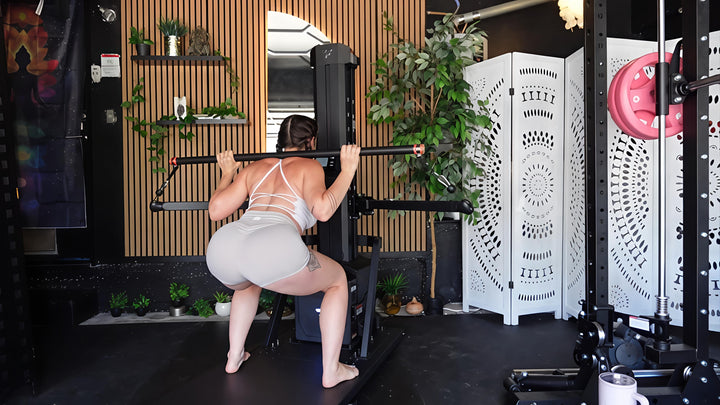
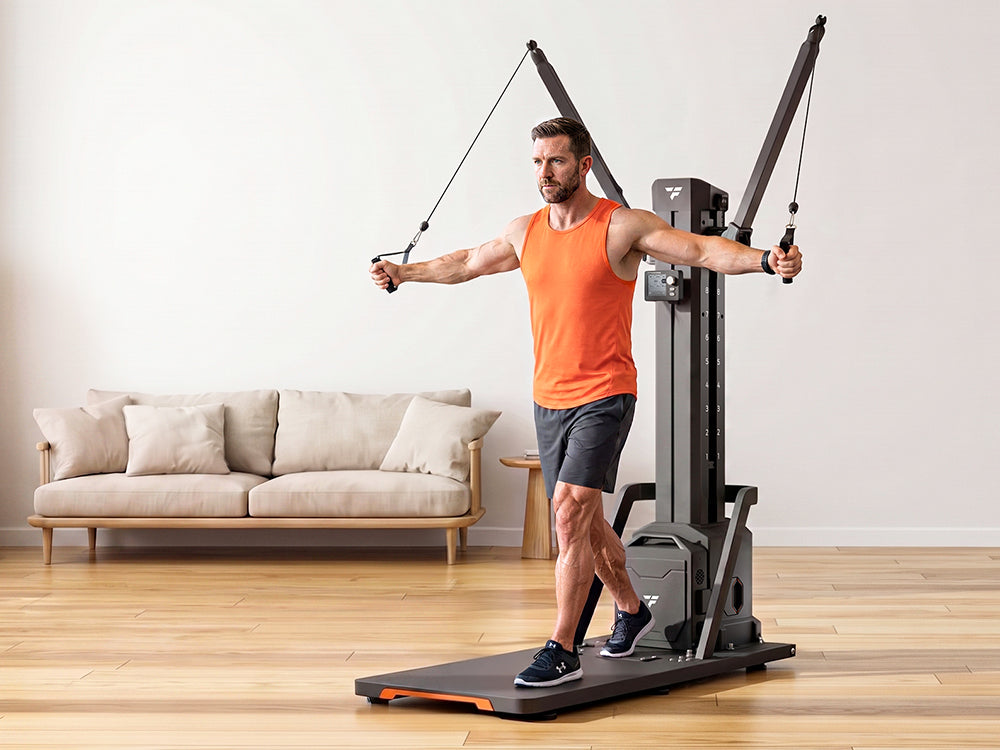
The FitTransformer Titan consolidates 11 professional gym machines into one system, handling up to 264 lbs of resistance across 200+ exercises. For strength training, it covers every major compound and isolation movement. For cardio, one-click ski mode switches the machine into a full-body aerobic workout without changing equipment.
Running a 2-day full-body plan or a 5-day split at home doesn't require adding gear as frequency increases. The same machine handles both ends of the spectrum.

FAQs
Q1: Is 3 days a week enough to build muscle?
Yes. Three days per week is enough to build muscle, especially for beginners and intermediate lifters. The key is reaching sufficient weekly volume per muscle group, roughly 10 to 20 sets, and progressively increasing load over time.
Q2: Can you strength train every day?
Technically yes, but not for the same muscle groups. Daily training only works if sessions are structured so that any given muscle has at least 48 hours before it's trained again. Most people don't need to train every day to reach their goals, and recovery suffers when training volume consistently outpaces it.
Q3: Can you build muscle working out only twice a week?
Yes, particularly for beginners. Two well-structured full-body sessions per week provide enough stimulus to drive muscle growth when you're new to training. Progress slows as you advance, at which point adding a third day makes sense.
Q4: How many days a week should I train to lose weight?
Three to five days per week is effective. A combination of strength training and cardio within that range works well. Strength training preserves muscle mass during a calorie deficit, which matters for long-term results. Cardio adds to total calorie burn. Diet accounts for the majority of fat loss outcomes.
Q5: Does training more days build muscle faster?
Up to a point, yes. Higher frequency and volume drive more adaptation, provided recovery keeps pace. Beyond 5 to 6 days per week, recovery deficits start to cancel out the extra volume. More days only helps if sleep, nutrition, and stress outside the gym support it.
Train Smarter, Start Today
The right training frequency isn't the highest number you can sustain. It's the number that lets you hit your weekly volume targets, recover fully, and keep progressing over time. Two days beats zero. Three days beats sporadic five-day bursts. Build from a sustainable base and add frequency when recovery allows. FitTransformer is built to support whatever schedule fits your life, from 2-day full-body sessions to 5-day splits, all from one machine at home.