Home gym equipment looks expensive the moment you open a product page. That reaction usually fades once you compare it to 60 months of gym fees. A monthly gym membership, a subscription-locked smart bike, and a buy-once home gym each follow completely different cost logic.
This 5-year breakdown covers all three options with real 2026 numbers, including the costs most comparison charts leave out.
At a Glance: 5-Year Cost Summary
| Option | 5-Year Total | Monthly Equivalent | What You Own After 5 Years |
| Commercial Gym Membership | ~$2,694 | ~$45/mo | Nothing |
| Connected Fitness Bike + Subscription | ~$4,694 | ~$78/mo | Bike with limited offline function |
| FitTransformer Titan | $2,399 | ~$40/mo | Full equipment, all features |
Three Fitness Options with Three Different Cost Structures
Most people frame this as "gym vs home gym." There is actually a third category that changes the math entirely: subscription-based smart fitness machines.
Commercial Gym Membership
You pay monthly dues, an initiation fee, and a yearly maintenance fee. The payments continue as long as you train. You get equipment access and floor space. You own nothing.
Connected Fitness Subscription Machine
You buy a smart bike, treadmill, or rower upfront. Then you pay a required monthly subscription to access the guided content, class library, and tracking features.
Cancel the subscription, and the machine loses most of its functionality. You own the hardware, but you rent the experience.
One-Time Purchase Home Gym
You pay once. No subscription required.
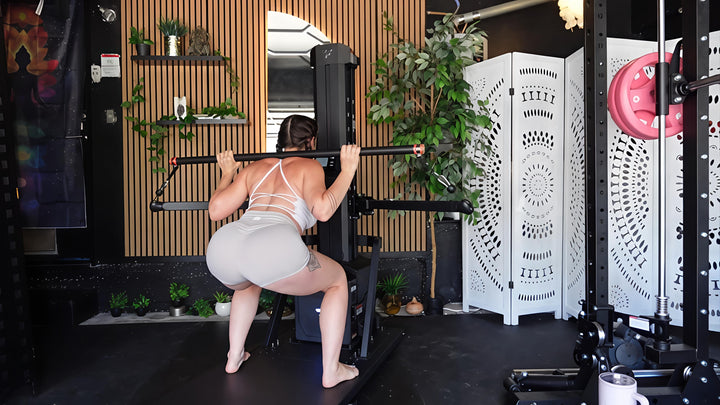
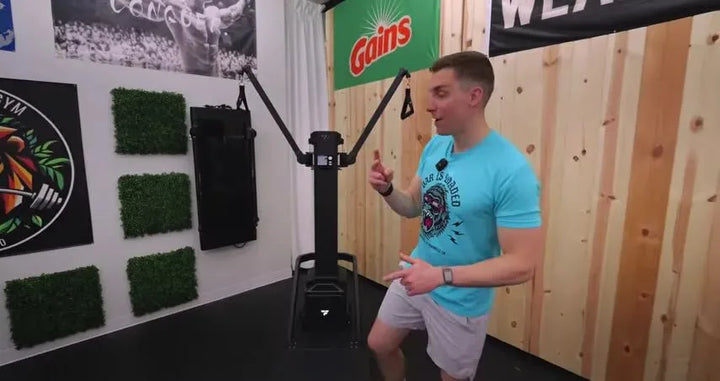
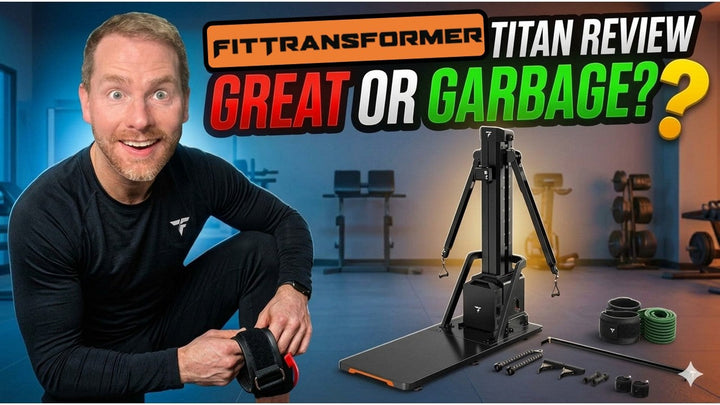
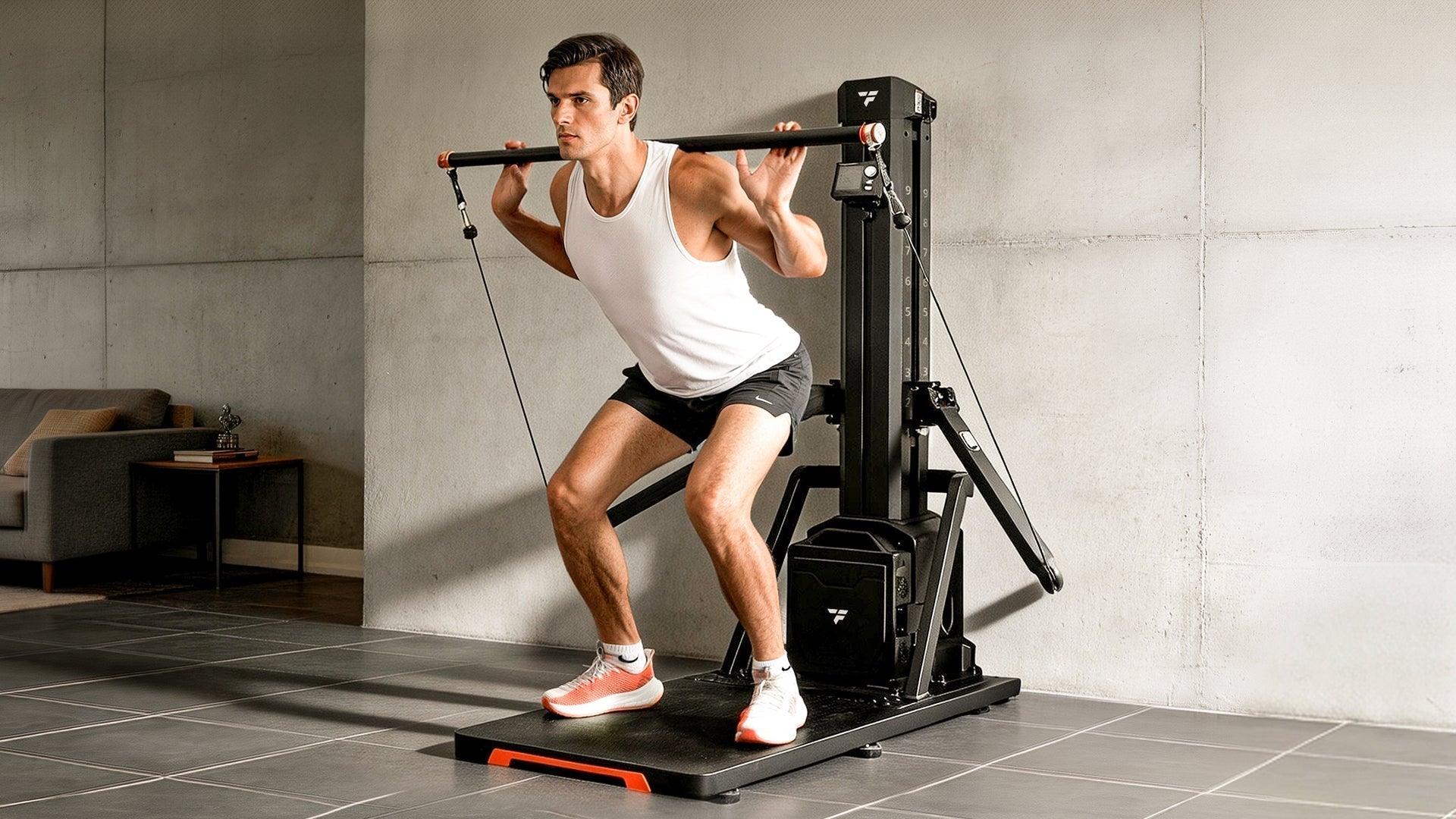
A good smart home gym like Fittransformer Titan fits this category. It includes 150+ guided workouts built into the machine, and every feature works without a monthly fee.
Why This Distinction Matters
Option 1 is pure rental. Stop paying, stop training, keep nothing.
Option 2 is a hybrid. You buy hardware but rent software. Stop the subscription, and core features disappear.
Option 3 is full ownership. After 5 years, the equipment works exactly the same as it did on day one.
What Each Option Costs Over 5 Years
All figures below are based on publicly available pricing from 2025 and 2026.
Commercial Gym Membership
Using a mid-tier national chain as a baseline:
| Cost Item | Amount |
| Initiation fee (one-time) | ~$99 |
| Monthly dues | ~$40/month |
| Annual maintenance fee | ~$59/year |
| 5-Year Total | ~$2,694 |
Premium tiers, couples plans, or high-cost cities can push this total past $3,500.
Connected Fitness Bike + Subscription
Using a popular connected fitness bike as a baseline:
| Cost Item | Amount |
| Hardware (base bike) | ~$1,695 |
| Monthly subscription (required) | ~$50/month |
| Delivery/setup | ~$0–$250 |
| 5-Year Total | ~$4,694 |
You still own the bike after 5 years. But canceling the subscription removes access to the class library, leaderboard, and guided programs.
FitTransformer Titan
| Cost Item | Amount |
| Titan hardware | $2,399 |
| Monthly subscription | $0 |
| 150+ guided workouts | Included |
| Shipping | Free |
| 5-Year Total | $2,399 |
The Titan + Sail bundle (adds rowing with air, water, and magnetic resistance) is $3,699, still with zero monthly fees.

Full Comparison
| Gym Membership | Connected Bike | FitTransformer Titan | |
| Upfront Cost | ~$99 | ~$1,695 | $2,399 |
| Monthly Cost | ~$40 | ~$50 | $0 |
| 5-Year Total | ~$2,694 | ~$4,694 | $2,399 |
| Asset After 5 Years | $0 | Limited-function bike | Fully functional equipment |
FitTransformer offers a far better 5-year value than connected subscriptions, and is one of the few options where every feature stays available without ongoing payments.
Hidden Costs That Change the Real Value
Dollar-to-dollar comparisons miss three cost categories that affect the actual return on each option.
Commute Time
A round trip to the gym averages 20 to 40 minutes including parking. At three sessions per week, that adds up to roughly 75 to 100 hours per year.
Over five years, you spend 375 to 500 hours in transit. A home gym cuts that number to zero.
Usage Friction
Peak-hour crowds, locker room time, weather delays, and schedule conflicts all reduce how often you actually show up. Industry data shows gym members attend far less often than they intend to.
You pay the same monthly fee whether you train four times a week or four times a month.
Subscription Lock-In Risk
Several connected fitness brands have raised prices, cut content, or shut down in recent years. When your machine depends on a remote server, the company's decisions control your training.
FitTransformer's built-in workout library removes this risk. The 150+ guided sessions are stored on the machine itself, not behind a paywall that could change at any time.
How to Pick the Right Option for You
No single option fits everyone. Your current training habits and living situation matter more than brand preference.
When a Gym Membership Makes Sense
A gym works well if you are still building a workout habit. The monthly commitment is low, and the sunk cost stays small if you stop.
It also fits people who need personal trainers or group classes for motivation. Frequent movers benefit from the flexibility of a month-to-month plan.
When a Connected Fitness Machine Makes Sense
A subscription machine works if your training focuses on a single activity, like indoor cycling. You prefer instructor-led, screen-guided workouts and are comfortable paying a monthly content fee.
The trade-off is ongoing cost and dependency on the company's subscription terms.
When a Buy-Once Home Gym Makes Sense
A one-time purchase pays off if you already train three or more times per week and have done so for at least six months. You have stable living space and goals that span strength, cardio, and functional movement.
Here is a quick test. If your past 12 months averaged three-plus weekly workouts, a buy-once home gym beats the other options in almost every cost scenario.
For those who match this profile, Fittransformer Titan replaces 11 professional gym machines in one modular system. It covers strength training, cardio skiing, and 150+ exercises with no subscription.

Find the Setup That Fits Your Routine
Home gym equipment has a higher price tag on the surface. That number is paid once. Gym memberships and content subscriptions are paid every month, and they never stop.
Over five years, buy-once equipment becomes highly cost competitive with a standard gym membership and costs far less than a subscription fitness machine. The only real prerequisite: your training habit is consistent enough to match the investment.
See how FitTransformer fits your space and goals.

FAQ
Q1: Does home gym equipment hold its resale value?
Yes. Quality fitness equipment commonly resells at 40% to 60% of retail price. Some discontinued models appreciate over time. Gym fees and subscriptions have zero resale value. If your situation changes, equipment is a tangible asset you can recover money from.
Q2: How much does it cost to set up a gym space at home?
Basic setup runs $200 to $400 for rubber mats and a mirror. A garage conversion (insulation, lighting, ventilation) can add $500 to $2,000. These are one-time costs that upgrade the daily functionality of your home.
Q3: Can I use HSA funds to buy home gym equipment?
In some cases, yes. HSA and FSA funds may cover fitness equipment when supported by a physician's letter of medical necessity. Always verify eligibility with your plan provider. Eligibility varies by plan. Check with your HSA administrator and a tax advisor.
Q4: What happens to a connected fitness machine if the company shuts down?
The interactive features stop working. Several connected fitness brands have already restructured pricing, cut content, or ceased operations. Without active servers, the machine reverts to basic manual use only. Equipment that functions independently of a subscription avoids this risk entirely.