The FitTransformer Titan is a digital-resistance home gym built around a freestanding functional-trainer layout. In this transcript-based review, the most useful question is not whether every buyer needs a smart gym; it is whether the Titan's adjustable cable positions, resistance modes, and compact footprint match the way you train.
The FitTransformer Titan is a digital-resistance home gym built around a freestanding functional-trainer layout. In this review, the most useful question is not whether every buyer needs a smart gym; it is whether the Titan's adjustable cable positions, resistance modes, and compact footprint match the way you train.
What This Titan Review Covers
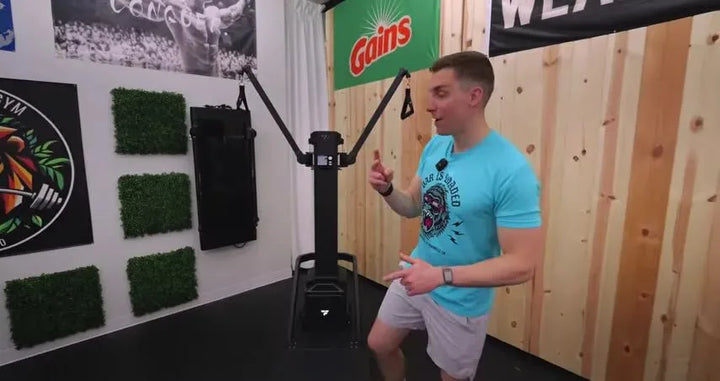
Ryan Treadaway's review frames the Titan as a value-oriented entry in electronic resistance rather than a replacement for every free-weight setup. His assessment focuses on day-to-day use: the freestanding structure, cable-arm adjustment, displayed resistance, software modes, ski-erg conversion, fan noise, and price. The review also notes that the core motor module can move between the Titan and the Sail rower frame, so shoppers considering a broader modular setup should compare the intended training mix before choosing a frame.
Who the Freestanding Titan Fits
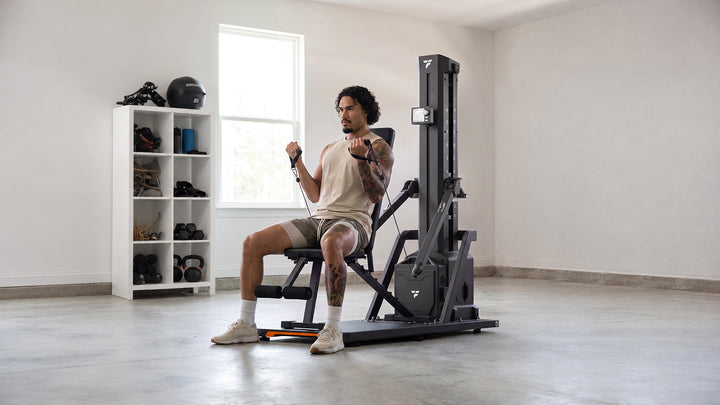
The clearest advantage is the Titan's freestanding design. A buyer who rents, lives in an apartment, or simply does not want to permanently mount equipment may prefer a unit that can be positioned without a wall installation. That does not make it the smallest possible solution, but it changes the installation decision from a construction question into a floor-space question.
A home gym is most useful when it supports a repeatable routine rather than becoming a collection of unused features. The World Health Organization recommends regular aerobic activity alongside muscle-strengthening work on two or more days each week for adults. That makes the Titan's strength and conditioning options useful only when they lower the friction of following a plan you can maintain.
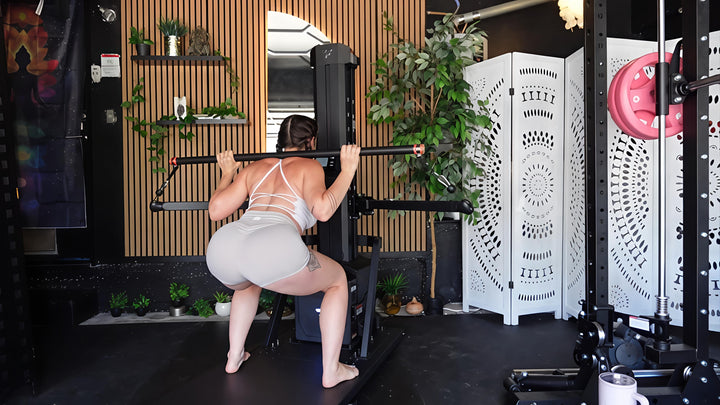
The cable assembly is described as having four fore-aft arm positions, six vertical arm positions, and nine assembly-height positions, for 216 combinations. That kind of range matters when more than one person will use a home gym or when you want to move between presses, pulls, squats, and accessory work without treating every exercise as a fixed-path movement.

Resistance Range and Adjustment Options
In the review, displayed resistance starts at 16 lb total, or 8 lb per hand, and reaches 264 lb total, or 132 lb per side. The screen distinguishes one-handed from two-handed training: two-handed mode presents a total load shared between sides, while one-handed mode presents the load on each side. That distinction is practical for bar work, bilateral cable movements, and unilateral work because it helps the user interpret the number before starting a set.
The reviewer praises the ability to set resistance in small increments after a software update. The tradeoff is speed: he found that moving from a low setting to the maximum could take longer than he would like, even with dial acceleration. For a workout that stays near one load this may be minor; for frequent large changes between exercises, it deserves attention during a demo or return-window test.
Training Modes and the Ski-Erg Setup
The Titan offers normal, burst, centrifugal, and auxiliary modes for strength work. In the reviewer's description, normal mode keeps resistance consistent, burst mode changes the resistance profile, centrifugal mode adds emphasis during the return portion, and auxiliary mode can reduce resistance to support a drop-set or safety-oriented finish. These modes add options beyond a conventional cable stack, but they are most valuable when they fit a deliberate training plan rather than being used as novelty settings.
The review also demonstrates the Titan's ski-erg configuration, which uses dedicated handles and offers ten resistance levels. For a home gym intended to combine strength sessions with conditioning, that conversion may be more relevant than a large exercise library. Buyers focused on rowing can also examine the separate Sail rowing configuration before committing to a single-purpose layout.
The NHS also includes strength exercises within a balanced weekly activity routine. For a buyer considering a cable trainer, it is sensible to map the movements you will actually repeat, such as presses, rows, squats, pulls, and accessory work, before paying for capabilities that do not match your program.

Is the FitTransformer Titan Worth It?
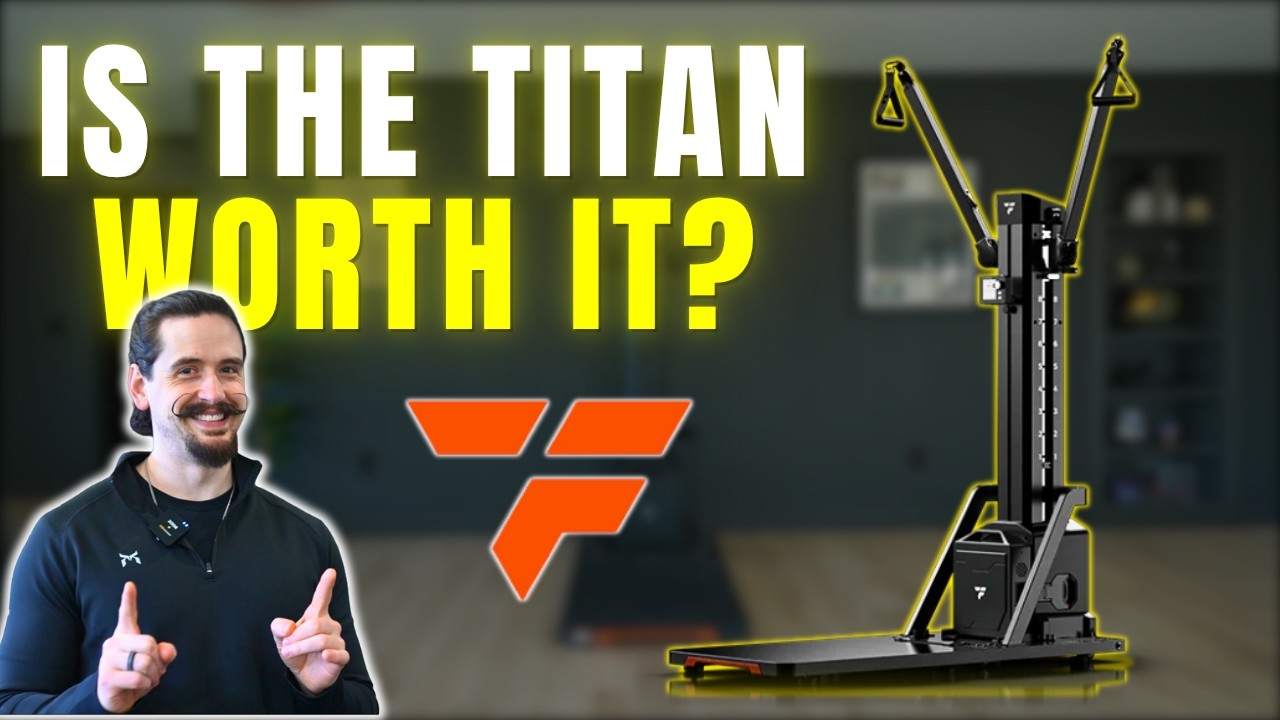
For the reviewer, the Titan's value comes from combining a freestanding cable trainer, adjustable arms, digital resistance, and ski-erg capability in one platform. He quoted a $2,400 price in the video and regarded it as comparatively accessible within the electronic-resistance machines he had reviewed. That makes the Titan a stronger fit for someone who will regularly use its adjustability and modes, not for a shopper looking only for the lowest-cost way to add basic resistance training at home.
Physical activity can also be built up in manageable sessions, rather than treated as an all-or-nothing commitment. A compact setup may help when it makes a short strength or conditioning session easier to start, but it should be evaluated against your space, schedule, and preferred training style.
Before buying, measure the training area, identify the heaviest bilateral and unilateral movements you expect to perform, decide whether the ski-erg configuration has a real place in your routine, and check current Titan product details. A modular home gym can be an efficient long-term purchase when the setup solves several repeat needs; it is less compelling when its features will sit unused.

Common Questions About the FitTransformer Titan
Q1. Is the FitTransformer Titan wall mounted?
No. The reviewer describes the Titan as a freestanding unit, which may suit renters or buyers who do not want a permanent wall installation.
Q2. How much resistance does the Titan have in this review?
It is described as 16 to 264 lb total resistance. The review explains that the display uses different logic for one-handed and two-handed training, so confirm how the current product presents load for your preferred exercises.
Q3. Does the Titan require a subscription?
The reviewer says no recurring subscription was required. Confirm current software and service terms directly with the seller, since policies and product bundles can change.
Q4. What is the main downside mentioned in the review?
Fan noise and slow large resistance changes are the two practical compromises emphasized in the video.